Chasing The 2026 Total Solar Eclipse: Iceland, Spain, And The Low-Sun Gamble
Planning guide for the 12 August 2026 total solar eclipse: Iceland vs Spain and Mallorca, low-altitude totality, travel, accommodation, weather strategy, and…
The decade's headline event
The total solar eclipse of 12 August 2026 is one of the most anticipated celestial events of the decade. Its path of totality sweeps across the Arctic, Greenland, Iceland, the Atlantic, and northeastern Spain, offering observers a rare chance to witness totality in two very different settings: the rugged landscapes of Iceland and the sun-drenched coasts of Spain and Mallorca. But this eclipse comes with unique challenges. The Sun will be low on the horizon in both regions, and the risk of last-minute cloud cover is significant. For eclipse chasers, the 2026 event is as much a test of logistics and weather strategy as it is a chance to witness one of nature's most spectacular shows.
The path and the low Sun
The 2026 eclipse is notable for the low altitude of the Sun during totality. In Iceland, the Sun will be only about 10–15 degrees above the horizon at maximum eclipse. In northeastern Spain, including the Balearic island of Mallorca, the Sun will be even lower, around 5–10 degrees. This has important implications for observers. A low Sun means that the eclipse will occur in the early morning or late evening, depending on location, and that local topography — hills, mountains, buildings, trees — can easily block the view. Use this tracker's line-of-sight profiler to test specific sites before you travel.
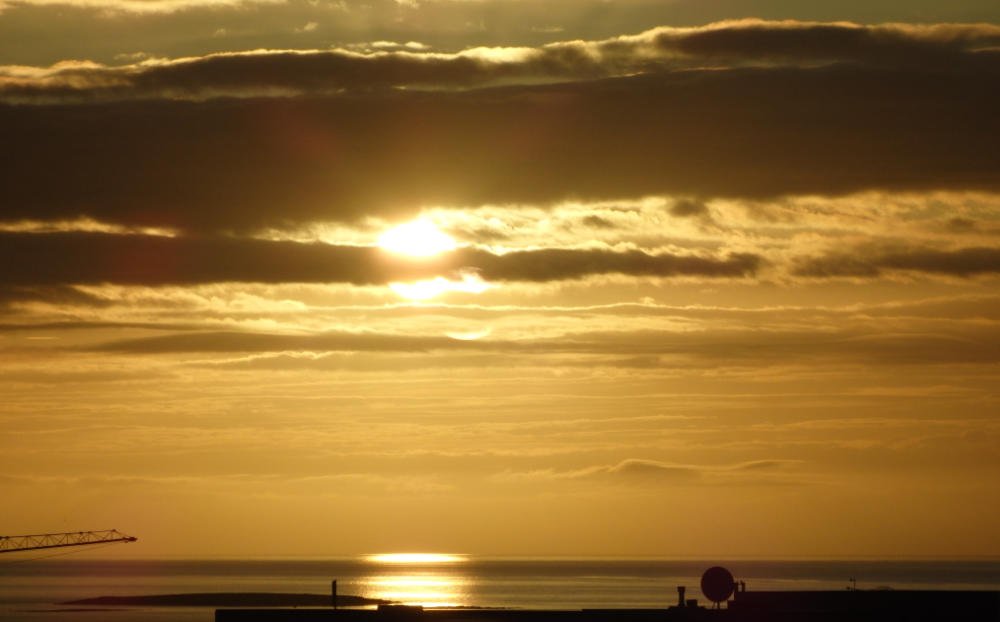
For photographers and visual observers, the low Sun offers both opportunities and hazards. The light will be softer, the colours warmer, and the corona may appear more extended against a darker sky — see The Solar Corona for what you are aiming at. But the margin for error is small. A clear western horizon is essential in Spain, where the eclipse occurs in the late afternoon. In Iceland, where the eclipse happens in the early evening, the Sun sets toward the northwest, so observers must ensure an unobstructed view in that direction.
Iceland: land of fire, ice, and clouds
Iceland is one of the most dramatic settings for a total solar eclipse. The path of totality crosses the northern part of the country, including areas near Akureyri, the second-largest city, and the scenic regions around Lake Mývatn and the northern coast. For travellers, Iceland offers a combination of accessibility, infrastructure, and stunning natural scenery. But it also comes with a well-deserved reputation for unpredictable weather.
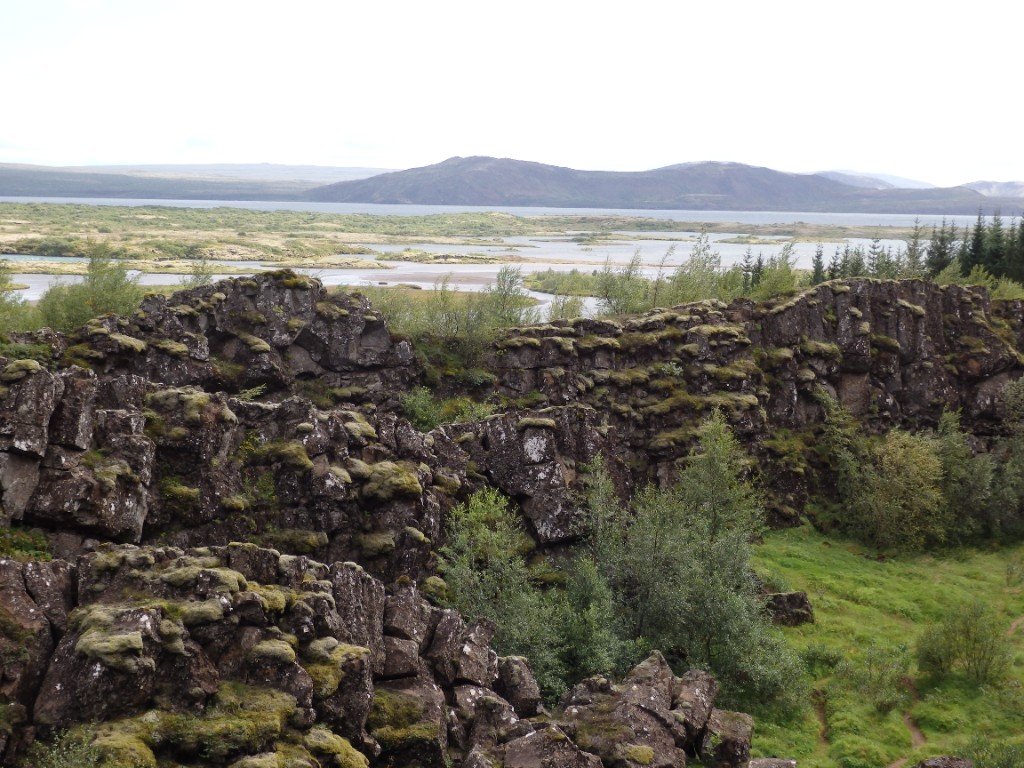
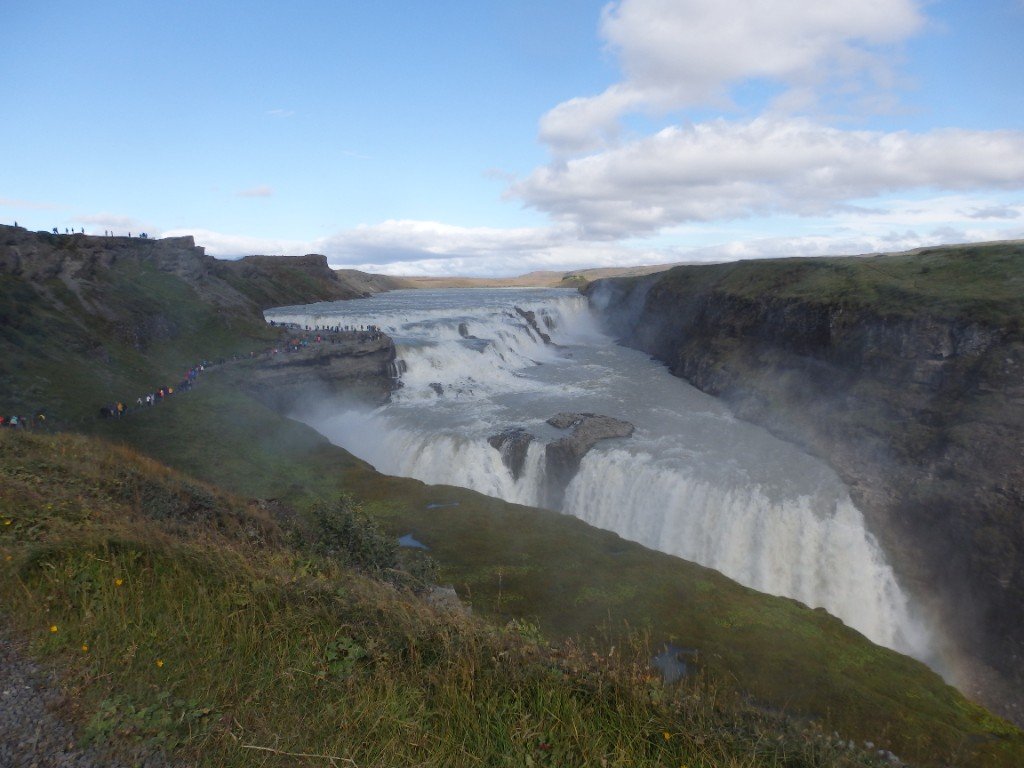
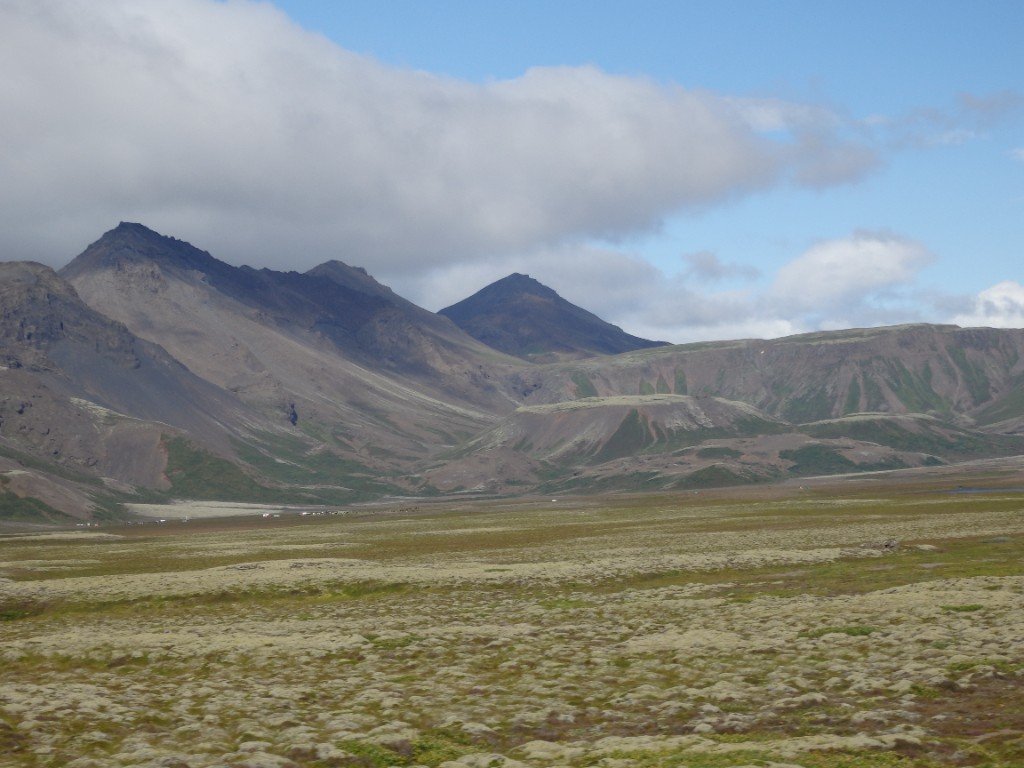
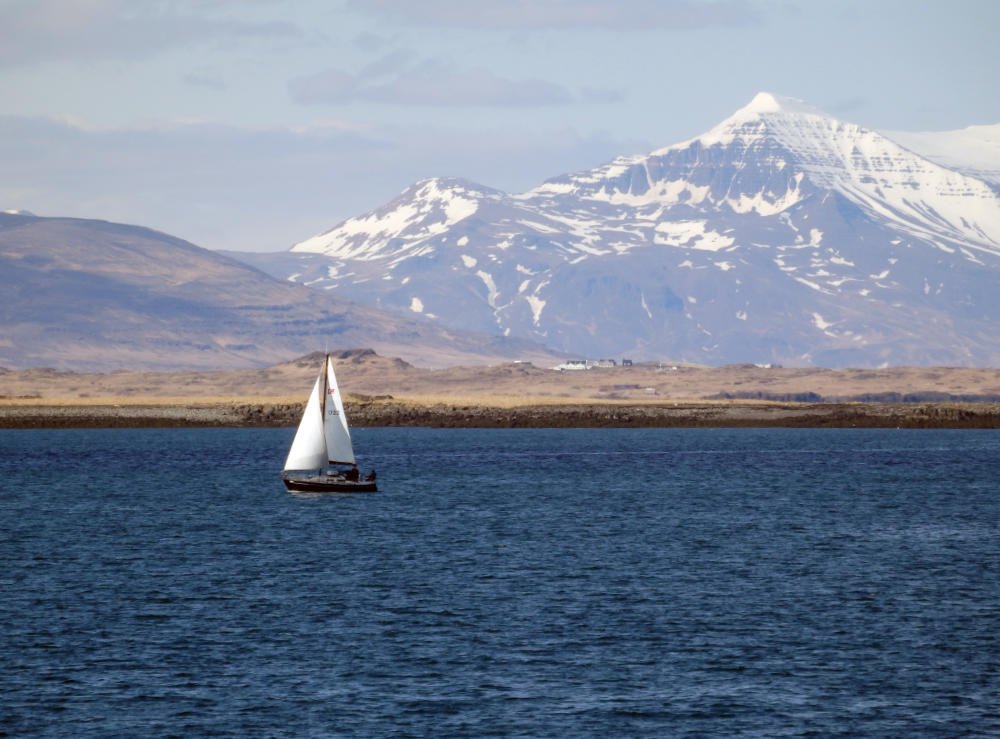
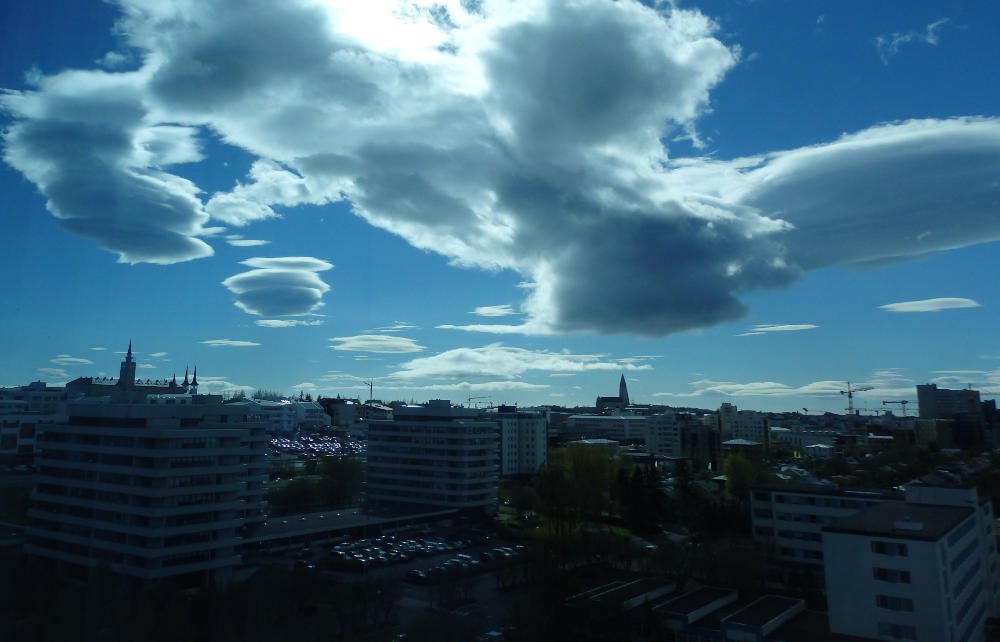
Getting to Iceland is straightforward. Regular flights connect Reykjavik with major European and North American hubs. From Reykjavik, domestic flights or car rentals can take you to the north. The Ring Road (Route 1) provides good access to most areas, though some gravel roads in the interior require caution.
Accommodation in northern Iceland is limited compared to the south. Hotels, guesthouses, and campsites fill quickly for eclipse week, and prices rise accordingly — budget for surge pricing in our It Isn't Cheap guide. Many observers are booking rooms a year or more in advance. Alternatives include staying in Akureyri and driving to viewing sites, or renting holiday homes in rural areas. Camping is popular, but facilities are basic, and weather can be harsh even in August.
Iceland's weather is notoriously changeable. Cloud cover, rain, and wind are common, even in summer. The northern coast can be clearer than the south, but no area is guaranteed sunshine. Eclipse chasers should monitor forecasts closely in the days before the event and be prepared to relocate at short notice. The advantage of Iceland is its relatively small size: it is possible to drive from one side of the path to the other in a few hours, increasing the chances of finding a break in the clouds.
The low Sun adds another layer of complexity. Observers must find sites with a clear view toward the northwest, avoiding mountains and fjords that could block the eclipse. Coastal locations are often best, but wind and spray can be issues for equipment — protect gear as outlined in Photo Expedition Kit .
Spain and Mallorca: sunshine, crowds, and the horizon problem
Northeastern Spain, including Catalonia and the Balearic Islands, is the other prime location for the 2026 eclipse. The path of totality crosses the Costa Brava, Barcelona, and the island of Mallorca, offering warm weather, good infrastructure, and the promise of Mediterranean sunshine. But the low Sun and the popularity of the region bring their own challenges.
Spain is well connected by air, rail, and road. Barcelona is a major international hub, with frequent flights from across Europe and beyond. Mallorca has its own international airport, with direct flights from many cities. Public transport is reliable, but rental cars provide the most flexibility for chasing clear skies.
Accommodation in coastal Spain and Mallorca is abundant but expensive during peak season. Hotels, apartments, and villas near the path are being booked well in advance. Prices for eclipse week are significantly higher than normal, and many properties require minimum stays of three to seven nights. Camping is an option in some areas, but sites are limited and often full by summer. Plan personal security in busy resort areas using our Personal Security guide.
Spain in August is typically hot and dry, with a high probability of clear skies. However, the low altitude of the Sun means that even a thin band of cloud along the horizon can ruin the view. Observers must find locations with an unobstructed western or southwestern horizon, depending on exact timing. Beaches, headlands, and open fields are ideal, but these are also the most crowded.
Mallorca presents a special case. The island is small, densely populated in places, and surrounded by sea. The advantage is that the horizon is clear in many directions. The disadvantage is that space is limited, and traffic on eclipse day could be severe. Observers should plan their viewing site in advance and arrive early to avoid being stuck in congestion — a pattern familiar from Eclipse Chasing and Battling Clouds . For a dedicated Balearics guide including the 2028 annular eclipse, see Mallorca Eclipses .
Spain & Mallorca
The cloud gamble: last-minute decisions
In both Iceland and Spain, the biggest variable is cloud cover. No location is immune, and forecasts can change rapidly in the 24–48 hours before the eclipse. Successful observers will be those who build flexibility into their plans. This means:
- Scouting multiple sites: Identify several potential viewing locations within the path, with different horizon profiles and distances from population centres.
- Monitoring forecasts: Use multiple weather services, satellite imagery, and local knowledge to assess cloud risk.
- Being ready to move: Have a vehicle, fuel, and a clear plan for relocating if conditions deteriorate.
- Accepting compromise: A slightly shorter duration of totality may be worth a much clearer sky.
Safety and practicalities
Safety is paramount, especially with the Sun low on the horizon. Certified eclipse glasses must be used during the partial phases — see Safe Viewing for ISO 12312-2 requirements. For photography, solar filters are essential until totality begins; our Eclipse Photography guide covers exposure without missing the live event. Equipment should be protected from wind, sand, and salt spray, particularly in coastal locations.
Travellers should also be mindful of local regulations. In Spain, some beaches and natural parks may restrict access or impose fines for inappropriate behaviour. In Iceland, respect for private property and fragile environments is essential. Leave no trace, and follow all local guidelines.
Despite the challenges, the 2026 eclipse promises to be a memorable event. The combination of dramatic landscapes, the low Sun, and the thrill of the chase makes it one of the most compelling eclipses in recent years. For those who navigate the logistics, weather, and crowds successfully, the reward is a few minutes of darkness in the middle of the day, under a sky that suddenly reveals its hidden glory — the experience described in The Awe and Splendor of Totality .
Whether you choose the rugged beauty of Iceland or the warmth of Spain and Mallorca, the key is preparation, flexibility, and a willingness to adapt. The clouds may have their say, but for those who persevere, the 2026 total solar eclipse will be an experience to remember for a lifetime. One year later, the path reaches Luxor — see 2027 Luxor for the “eclipse of the century.”