Personal Security On The Road: Hotels, Taxis, And The Art Of Staying In Control
Practical travel security: hotel room safes, taxi verification, pickpockets, RFID protection, VPN use on public Wi-Fi, CCTV awareness, and supervising…
Staying in control
Travelling is one of life's great pleasures. It opens doors to new cultures, landscapes, and experiences. But it also places you in unfamiliar environments, where the usual rules of home do not always apply. Personal security while travelling is not about paranoia; it is about awareness, preparation, and maintaining control over your belongings, your information, and your surroundings. This guide covers the key aspects of staying safe in hotels and taxis, with practical advice on protecting your valuables, your data, and your family.
The hotel room: not as secure as it seems
The hotel room is often assumed to be a safe haven. You lock the door, place your valuables in the room safe, and assume they are secure. In reality, room safes are far from foolproof. Many hotel safes use default master codes or can be reset by staff using a simple procedure. In some cases, housekeeping or maintenance personnel may have access to the safe, either through a master code or a physical override key. The safe is better than leaving items in plain sight, but it should not be trusted with high-value items such as passports, large sums of cash, or expensive electronics.
A better approach is to use a portable travel safe or lockable bag that can be secured to a fixed object in the room, such as a pipe or heavy furniture. Alternatively, keep critical items on your person or in a concealed travel pouch. If you must use the room safe, change the code each time you use it, and do not use obvious combinations such as your room number or birth year.
Taxis and ride-sharing: know your ride
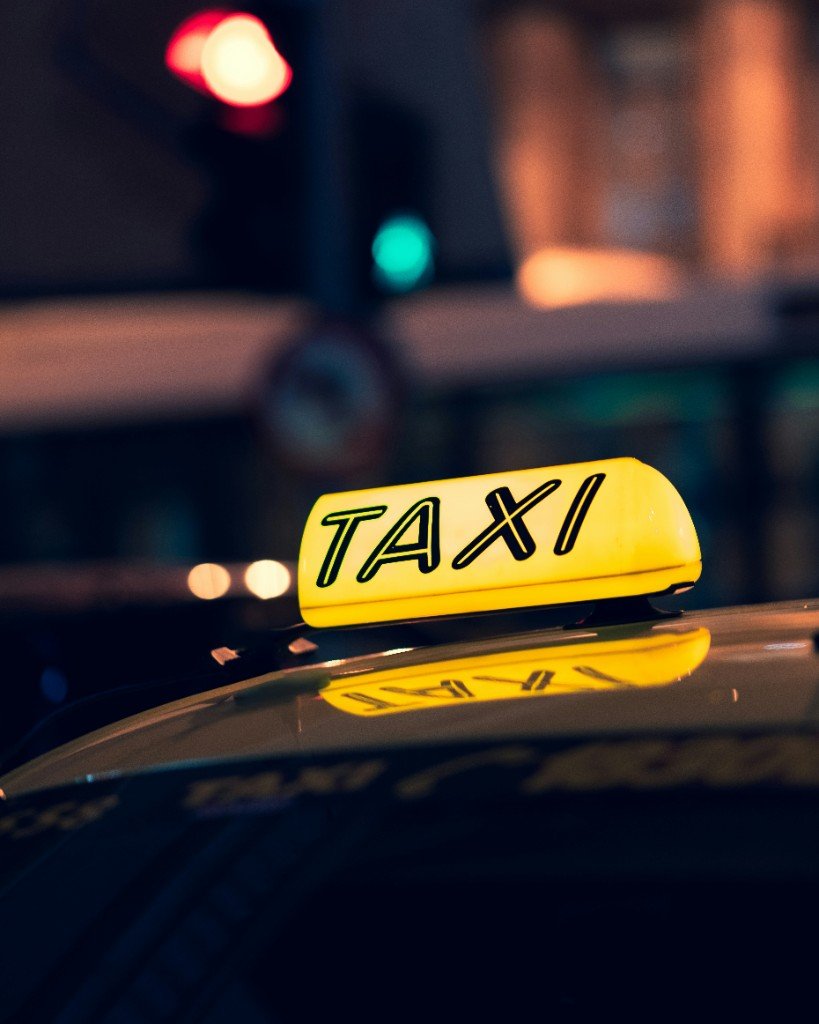
Taxis and ride-sharing services are indispensable for getting around in unfamiliar cities, but they also present risks. Always verify the identity of the driver and the vehicle before entering. Check that the license plate matches the one shown in the app, and confirm the driver's name. If anything feels off, do not get in the car. There is no shame in cancelling a ride and waiting for another.
During the journey, keep your belongings close. Bags should be on your lap or between your feet, not on the seat beside you. Windows should be closed or only slightly open in slow-moving traffic to prevent snatch theft. If you are using a phone for navigation, keep it low and discreet. Do not flash expensive jewellery, cameras, or watches, as these can attract unwanted attention.
Crowds and pickpockets: the invisible threat
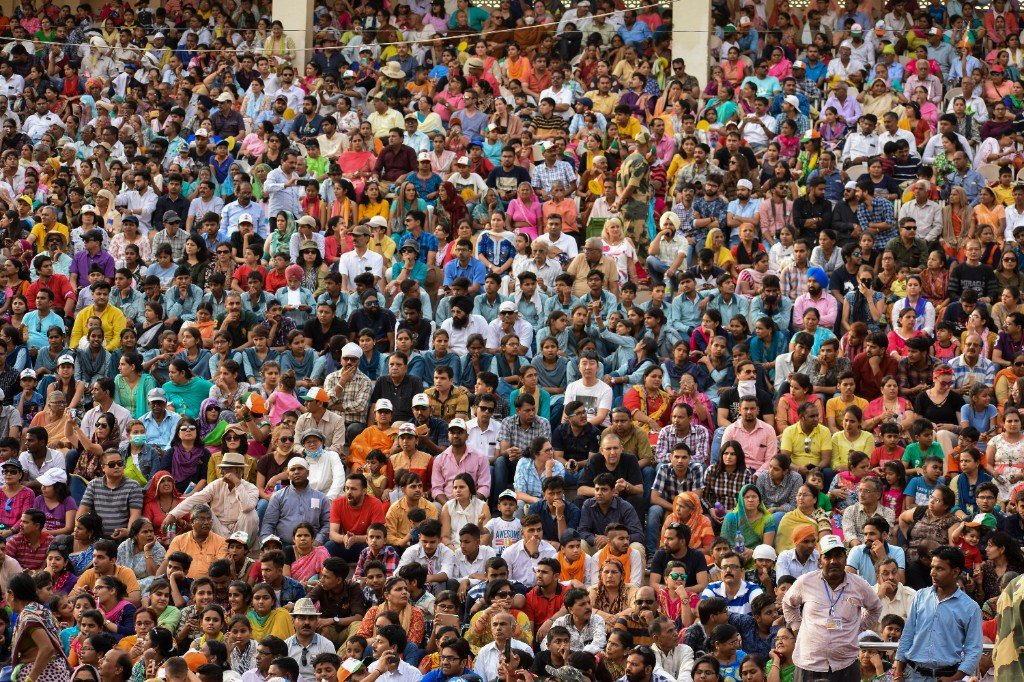
Crowded places — markets, train stations, tourist attractions, festivals — are prime territory for pickpockets and electronic thieves. Pickpocketing is a skilled trade in many parts of the world, and teams often work together to distract you while one member lifts your wallet or phone. Common tactics include bumping into you, spilling something on your clothing, or asking for directions while an accomplice reaches into your bag.
Electronic theft is equally prevalent. Skimmers and scanners can be used to steal data from contactless cards or passports. Keep your cards in RFID-blocking sleeves or wallets, and do not leave them lying on tables or counters. When paying, keep your card in sight at all times. If a merchant insists on taking your card out of view, consider using cash or a different payment method.
Contactless cards
Debit and credit cards: stay in control
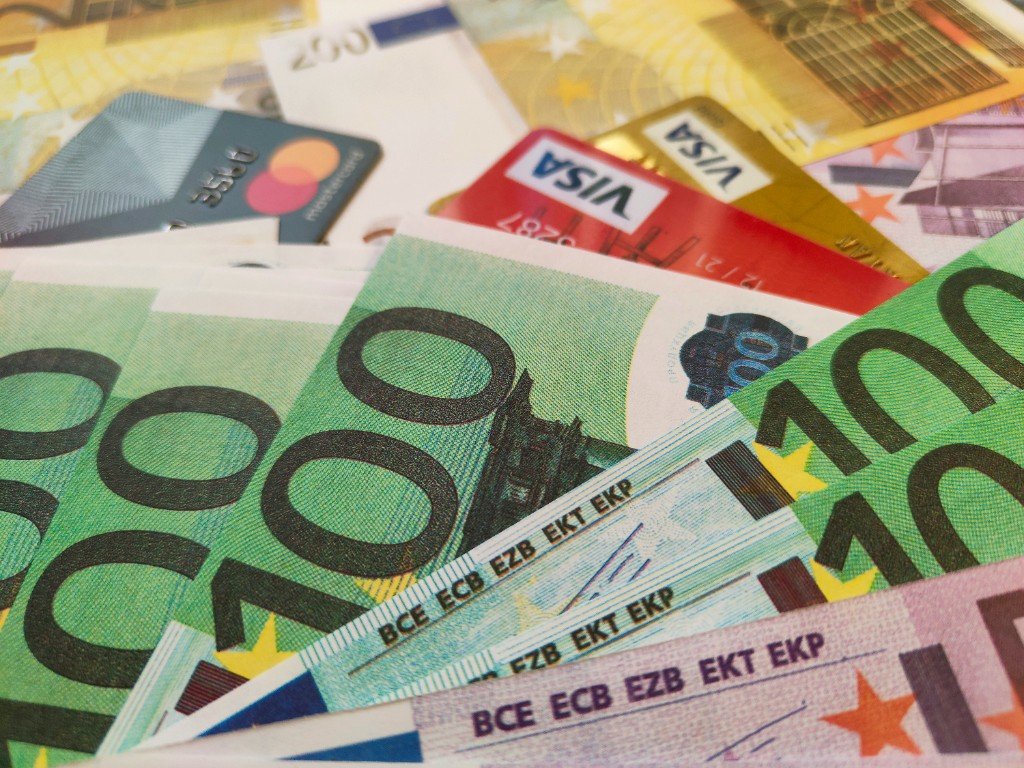
Your financial cards are among your most valuable assets while travelling. Loss or theft can lead to significant inconvenience, financial loss, and even identity fraud. To minimize risk, carry only the cards you need, and keep them in separate locations. Use a money belt or concealed pouch for backup cards and emergency cash.
Notify your bank of your travel plans in advance to avoid having your cards blocked for suspicious activity. Enable transaction alerts on your phone so you are notified immediately of any charges. If a card is lost or stolen, report it at once. Many banks offer emergency replacement services in major cities.
Public and hotel Wi-Fi: the hidden danger
Public Wi-Fi networks, including those in hotels, cafes, and airports, are convenient but inherently insecure. Hackers can intercept data transmitted over these networks, capturing passwords, credit card numbers, and other sensitive information. Even “secure” networks with passwords can be compromised.
The solution is to use a Virtual Private Network (VPN) whenever you connect to public Wi-Fi. A VPN encrypts your internet traffic, making it much harder for attackers to intercept your data. This is especially important if you are accessing email, social media, or financial accounts. Do not assume that a hotel's Wi-Fi is safe; treat all public networks as potentially hostile.
CCTV cameras: everywhere and watching
CCTV cameras are now ubiquitous in hotels, airports, train stations, and public spaces. In many cases, they are a deterrent to crime and a tool for investigation. However, they also mean that your movements are being recorded, often in high resolution. Modern cameras can capture fine details, including the content of laptop and phone screens. Be mindful of what you display in public areas. Avoid entering sensitive information, such as passwords or financial details, while in view of cameras.
In hotels, be aware that cameras may be present in lobbies, corridors, elevators, and even some public areas of rooms (such as smart TVs with built-in cameras). If privacy is a concern, cover or disable cameras where possible, and use physical privacy screens for laptops and phones.
Children and supervision: vigilance is key
Travelling with children adds another layer of complexity. Children are naturally curious and may wander off, approach strangers, or touch things they should not. In crowded places, keep children within arm's reach, and establish clear rules about where they can and cannot go. Use brightly colored clothing or accessories to make them easier to spot in a crowd.
In hotels, teach children not to open the door for anyone without checking with you first. Explain the risks of talking to strangers or accepting gifts. If you are using public transport or taxis, keep children seated between adults, and ensure they do not lean out of windows or doors. On eclipse day itself, see Herding Cats for the particular chaos of young children at totality.
Practical tips for staying safe
To summarise, here are some practical steps to enhance personal security while travelling:
- Use hotel safes with caution: Do not rely on them for high-value items. Use a portable safe or keep valuables on your person.
- Verify taxis and ride-shares: Check the vehicle and driver details before entering. Keep belongings secure during the journey.
- Guard against pickpockets: Stay alert in crowds, use anti-theft bags, and keep cards in RFID-blocking sleeves.
- Control your cards: Carry only what you need, enable transaction alerts, and report loss or theft immediately.
- Use a VPN: Never access sensitive information on public Wi-Fi without encryption.
- Be mindful of CCTV: Avoid displaying sensitive information in view of cameras.
- Supervise children closely: Establish rules, keep them within reach, and teach them about safety.
Personal security while travelling is about maintaining control in an environment where you are, by definition, out of your usual context. Hotels and taxis are not inherently dangerous, but they do present opportunities for theft, fraud, and other risks. By staying aware, using common sense, and following a few key precautions, you can enjoy your travels without becoming a victim. The goal is not to live in fear but to travel with confidence, knowing that you have taken reasonable steps to protect yourself, your belongings, and your family. For broader eclipse trip planning, see Eclipse Chasing .