Chasing Shadows, Battling Clouds: The Frustrations Of Eclipse Weather
The psychology and practical frustrations of eclipse weather: conflicting forecasts, traffic jams chasing gaps, totality under grey skies, and why…
The wildcard in the sky
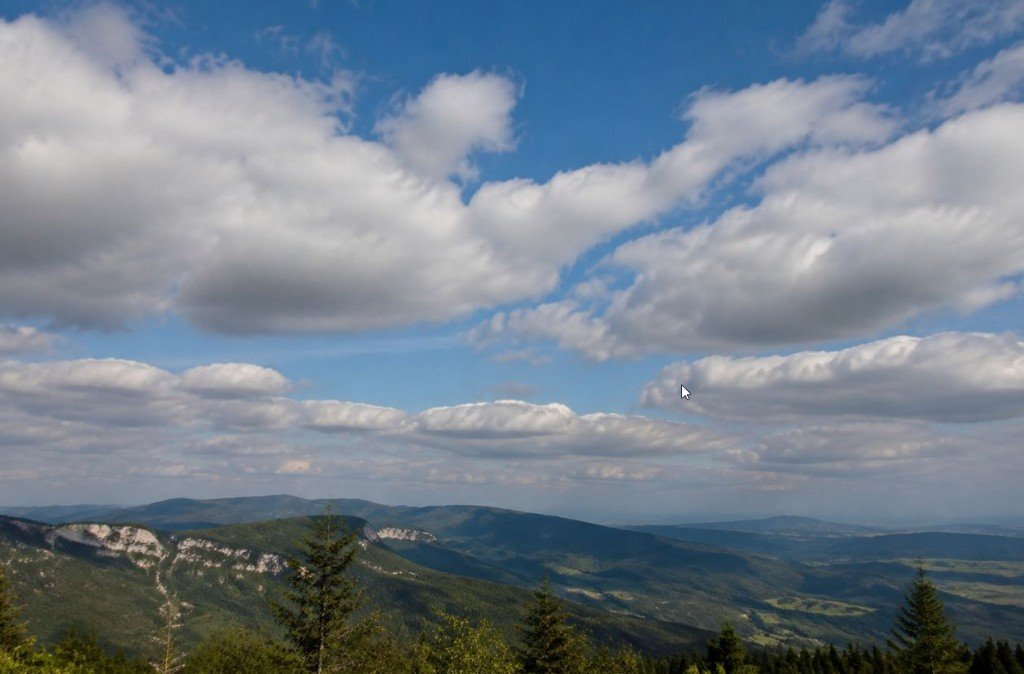
Eclipse chasing is a hobby that combines the thrill of the hunt with the patience of a saint and the optimism of a gambler. You plan for months, sometimes years. You book flights, hotels, rental cars, and campsites. You pack cameras, telescopes, tripods, and enough solar filters to equip a small observatory. You read the forecasts, study the climate data, and pick what seems like the perfect spot in the path of totality. And then, on the day, you look up — and see nothing but an endless, unbroken blanket of grey.
Weather is the great wildcard of eclipse chasing, the factor that can turn a dream expedition into a lesson in humility. No amount of preparation, no level of expertise, no budget can guarantee clear skies. The Earth's atmosphere has a way of reminding eclipse chasers that, for all our technology and planning, we are still at the mercy of the clouds.
The forecast game

The first hazard of eclipse weather is the forecast itself. Modern meteorology is remarkably good at predicting general weather patterns, but local conditions on a specific day can still be a mystery. In the days leading up to an eclipse, forecast models may disagree wildly. One predicts clear skies and sunshine. Another shows a 90% chance of rain. A third suggests a narrow band of clearing that may or may not pass over your location.
Eclipse chasers become amateur meteorologists overnight. They pore over satellite images, radar loops, and ensemble models. They join online forums where strangers debate the merits of different weather services. They refresh apps every few minutes, hoping for a change. The psychological toll is real. Sleep becomes difficult. Appetite fades. Every cloud on the horizon is scrutinized like a potential enemy.
The drive for clear skies
One of the most common responses to threatening weather is the desperate drive for clear skies. You wake up on eclipse morning, look outside, and see clouds. The forecast says they should clear by midday, but you are not convinced. You pack up your gear, jump in the car, and head for what looks like a gap in the clouds on the radar.
This is where the real frustration begins. Roads that were quiet the day before are now clogged with thousands of other eclipse chasers doing the same thing. Traffic jams form on rural highways. Gas stations run out of fuel. Convenience stores sell out of water and snacks. You inch forward, watching the clock, knowing that totality is approaching and you are still stuck in a queue of cars, none of which are moving.
Sometimes, the gamble pays off. You break through the cloud layer and find yourself in sunshine, just in time for first contact. Sometimes, you arrive at your backup location only to find that the clouds have followed you, or that the clearing was an illusion on the radar. And sometimes, you spend the entire drive watching the sky darken, knowing that you will miss totality in a car park, surrounded by strangers, with your camera still in its bag.
The cloud that stays
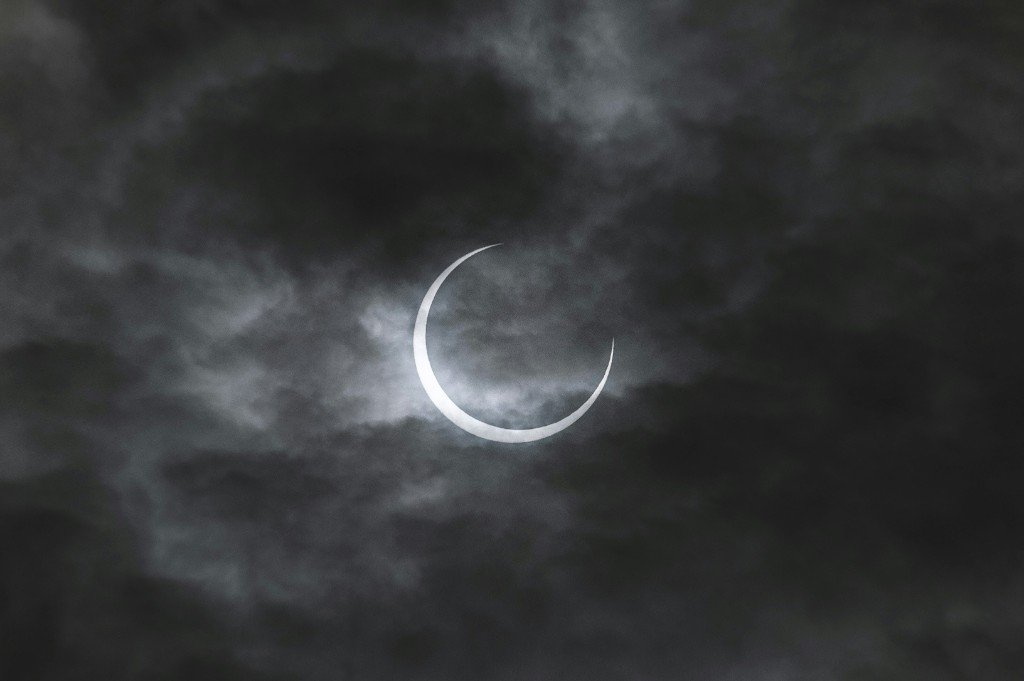
Then there is the cloud that simply refuses to move. It sits over your chosen location like a stubborn guest who will not leave the party. You watch it for hours, hoping for a break, a thinning, a shift in the wind. Nothing changes. The light dims as the partial eclipse progresses, but the Sun never appears. You hear the crowd gasp as totality begins, but you see only grey. The temperature drops, the birds fall silent, and you stand there, under a blanket of cloud, listening to the eclipse happen somewhere above your head.
It is a peculiar kind of frustration. You are in the right place, at the right time, with the right equipment. You have done everything correctly. But the sky has other plans. Some observers cope by embracing the moment anyway, enjoying the atmosphere, the camaraderie, the strange light — as described in The Awe and Splendor of Totality . Others retreat to the car, defeated, vowing to try again at the next eclipse.
The storm that arrives
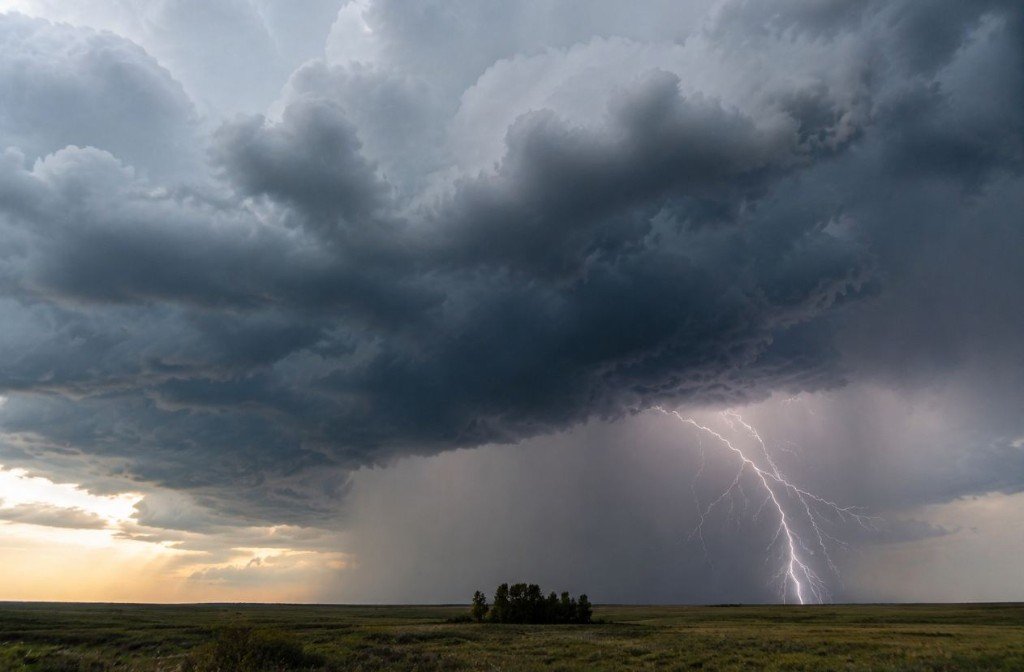
Occasionally, the weather is not just cloudy but actively hostile. Thunderstorms can roll in on eclipse day, bringing rain, wind, and lightning. Setting up equipment in such conditions is not just futile; it is dangerous. You find yourself packing up gear in a downpour, protecting cameras and telescopes from water damage, while the eclipse proceeds unseen above the clouds.
In some cases, the storm passes just in time for a partial view, or even a brief glimpse of totality through a break in the clouds. These are the moments that eclipse chasers remember for years: the sudden appearance of the corona through a gap in the storm, the diamond ring shining briefly before the clouds close again — a fleeting view of the solar corona . But these are exceptions. More often, the storm is simply a storm, and the eclipse is a memory of what might have been.
The psychology of eclipse weather
The relationship between eclipse chasers and weather is complex. It is part hope, part dread, part resignation. You know that clouds are a possibility, even a probability, depending on where and when you are chasing. But you also know that the alternative — staying home and not trying — is worse. So you go, aware that you may be defeated by the atmosphere, but unwilling to accept that defeat without a fight.
There is also a strange camaraderie in shared weather frustration. Strangers bond over cloud cover, swapping stories of past eclipses ruined by weather, comparing notes on forecast models, and encouraging each other to keep watching. The collective groan when the clouds thicken is almost as memorable as the collective gasp when the corona appears.
The lesson of the clouds
In the end, eclipse weather teaches a simple lesson: you cannot control everything. You can plan, prepare, and position yourself as well as possible — including backup sites and remote-field contingencies when the best sky lies far from services. But the sky is not yours to command. Some chasers accept this with grace, viewing each eclipse as an adventure rather than a guaranteed success. Others become obsessed, chasing multiple eclipses in the hope that one will finally deliver clear skies and a perfect view.
For most, the frustration is part of the experience. It makes the moments of success more precious. When the clouds part, when the Sun appears, when the corona shines in all its glory, the years of planning and the hours of anxiety dissolve into a few minutes of pure wonder. And when the clouds stay, well — there is always the next eclipse, the next chance, the next opportunity to chase the shadow and hope the sky cooperates.
Eclipse chasing is not for the faint of heart. It requires patience, flexibility, and a willingness to accept disappointment. But for those who love it, the frustration is part of the appeal. It is a reminder that some things are worth pursuing, even when the odds are against you. And when the weather does cooperate, the reward is an experience that no cloud can ever dim.