The 2027 Eclipse: “Eclipse Of The Century” Over Luxor
Planning guide for the 2 August 2027 total solar eclipse at Luxor: Karnak and the Valley of the Kings, heat, crowds, security, regional context, and why Egypt…
Eclipse of the century
On 2 August 2027, the Moon's shadow will sweep across North Africa and the Arabian Peninsula in one of the most eagerly awaited total solar eclipses of the 21st century. Dubbed the “eclipse of the century,” it will deliver up to 6 minutes and 23 seconds of totality — the longest on land since 1991 and the longest until 2114. The point of maximum duration lies in southern Egypt, just southeast of Luxor, placing the ancient city at the heart of what promises to be a globally significant astronomical and cultural event.
Luxor and its surroundings
Luxor, built on the site of ancient Thebes, is one of the world's great open-air museums. The east bank of the Nile is dominated by Luxor Temple and the sprawling Karnak Temple complex, with its colossal columns and sacred lakes. The west bank holds the Valley of the Kings, the Valley of the Queens, and the mortuary temples of pharaohs such as Hatshepsut and Ramses II. To witness totality above these monuments — some of the most iconic structures of human history — adds a layer of symbolism that few eclipse locations can match.
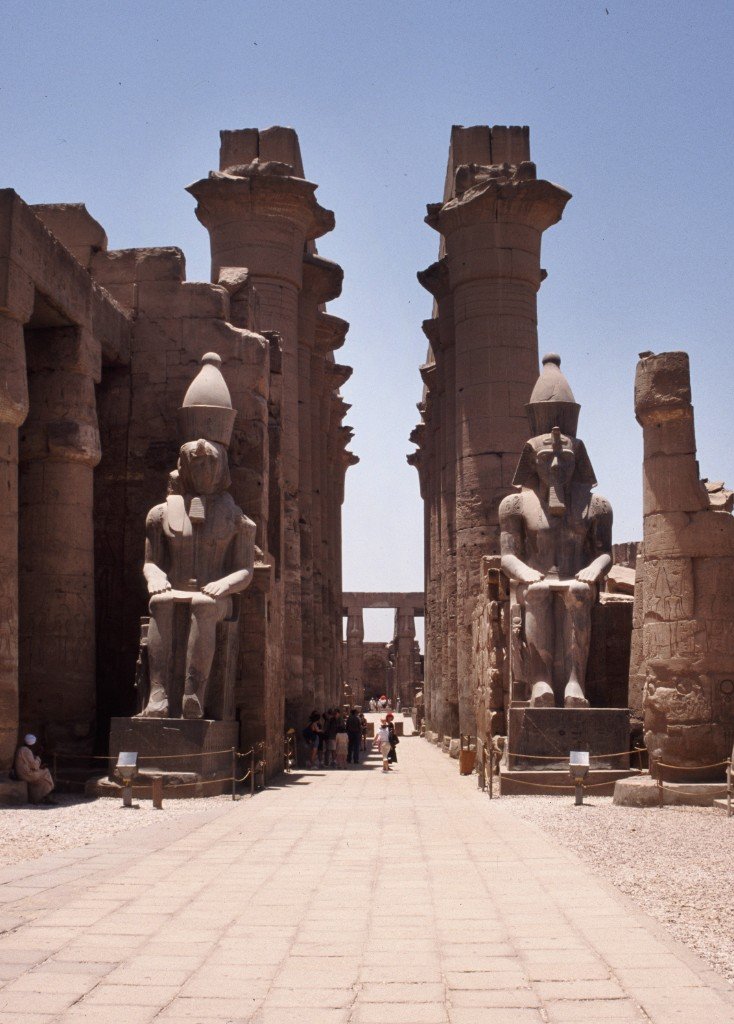
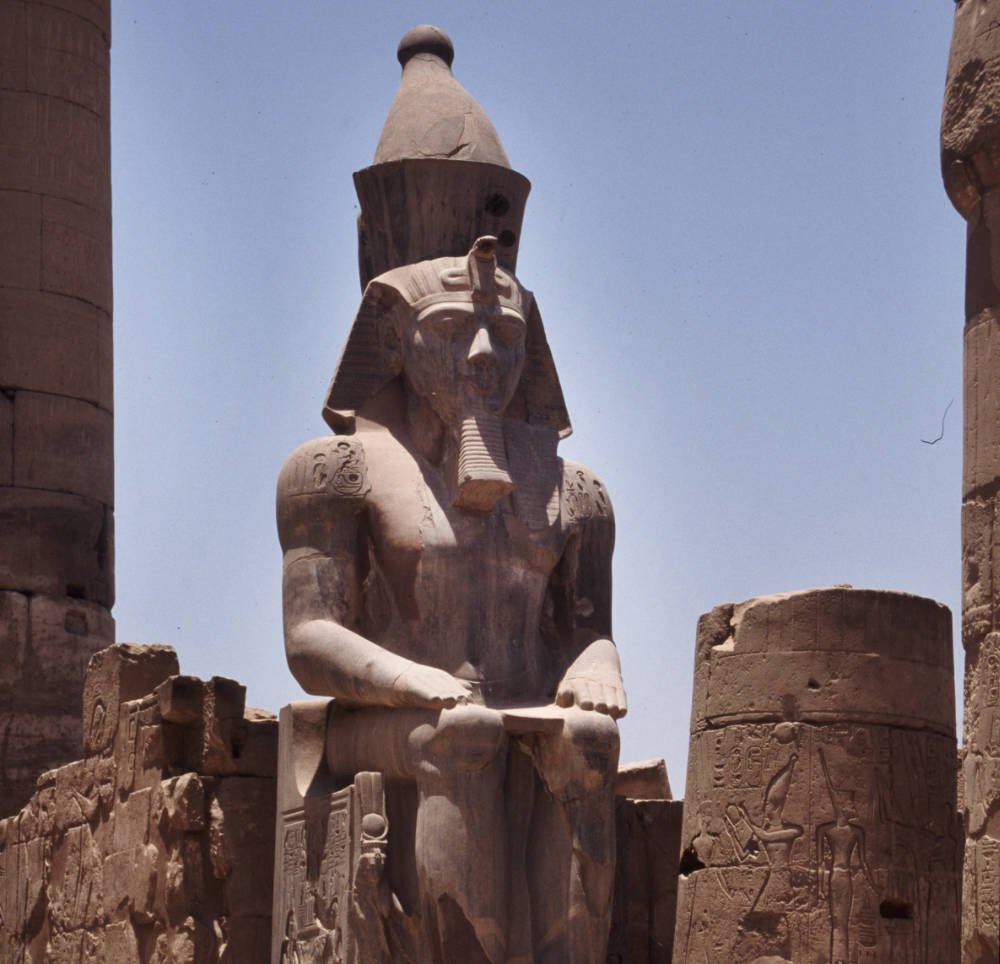
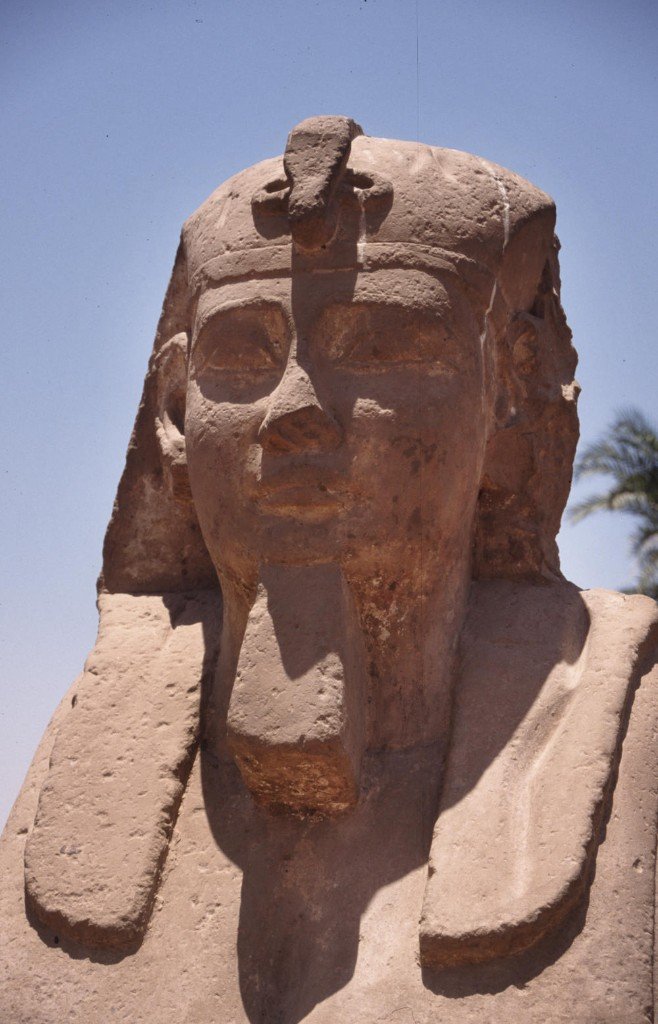
The climate in August is intensely hot and dry. Daytime temperatures in Luxor often exceed 40°C (104°F), with minimal cloud cover. Statistical data suggest a less than 5% chance of significant cloud on eclipse day, making Luxor one of the most reliable locations on the entire path — a sharp contrast to the cloud gamble described in Battling Clouds . The Sun will be nearly overhead at maximum eclipse, at an altitude of about 82 degrees, eliminating horizon obstructions and providing an excellent view of the solar corona .
Totality length
Local culture and visitor experience
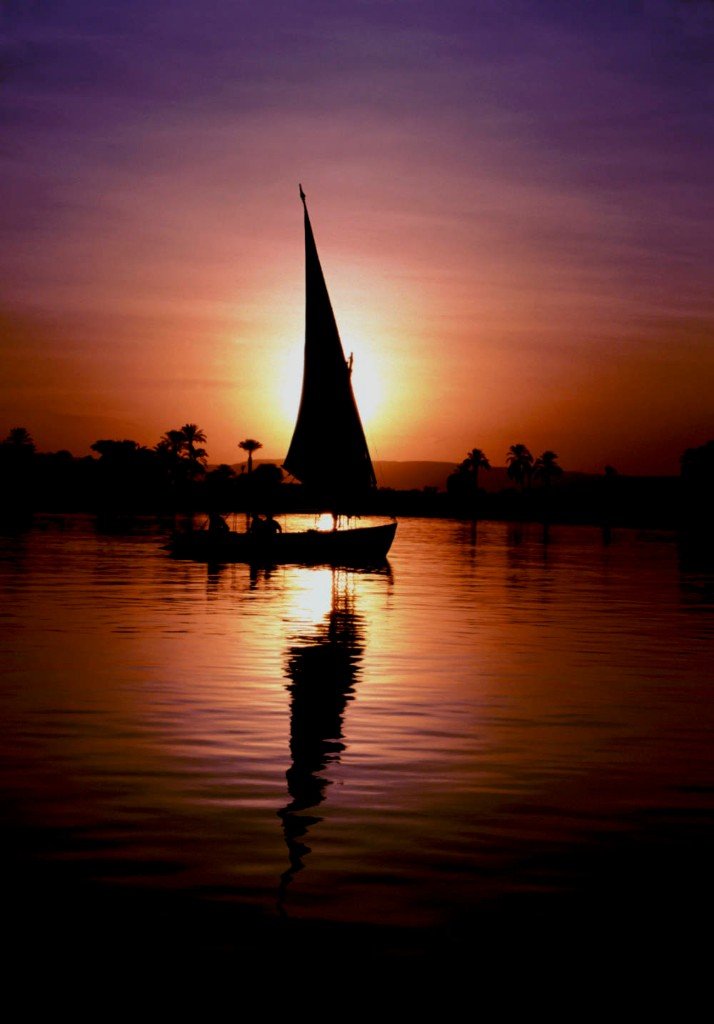
Luxor is accustomed to international visitors, though tourism fluctuates with regional politics and economic conditions. The local economy is heavily tied to tourism, and the eclipse is expected to bring a surge of visitors. Hotels range from historic properties such as the Winter Palace to modern riverside resorts. Nile cruises between Luxor and Aswan are also popular, and many operators are already marketing eclipse-specific itineraries.
Cultural sensitivity is important. Luxor is a conservative city, and visitors should dress modestly, especially when visiting temples and local markets. Respect for religious customs and local norms will enhance the experience and reduce friction. Arabic is the primary language, though English is widely spoken in tourist areas.
Potential difficulties and logistics
The eclipse will place significant strain on local infrastructure. Flights into Luxor and Cairo will be in high demand, and hotel capacity is limited. Many serious eclipse chasers are booking accommodation two to five years in advance. Prices for rooms, cruises, and tours during the eclipse period are already rising sharply — see It Isn't Cheap for why eclipse week pricing hurts. Transport within Luxor — taxis, private drivers, and rental cars — will also be stretched on eclipse day.
Crowds at popular viewing sites, such as the Karnak Temple or the West Bank plateaus, are likely to be substantial. Access to some monuments may be restricted or require special permits. Observers should plan their viewing location well in advance, arrive early, and be prepared for congestion — core advice from Eclipse Chasing .
Security and safety
Egypt maintains a significant security presence around major tourist sites, including Luxor. Checkpoints, armed guards, and tourist police are common. The overall risk to visitors in Luxor is considered moderate, with most incidents involving petty crime rather than targeted violence. However, the regional context cannot be ignored. Our Personal Security guide covers hotels, taxis, and keeping valuables under control on the road.
Proximity to Middle East conflict
Egypt's location places it near several zones of instability. The Sinai Peninsula has experienced insurgency-related violence, though Luxor itself has been largely unaffected. To the east, the conflict in Gaza and tensions involving Israel, Lebanon, and Iran create a volatile geopolitical environment. While these conflicts are not centred on Upper Egypt, they could have indirect effects:
- Airspace restrictions: Escalation in the eastern Mediterranean or Red Sea could affect flight routes and schedules.
- Regional travel advisories: Governments may issue warnings that impact insurance coverage or traveller confidence.
- Economic and social strain: Prolonged conflict could affect Egypt's economy and tourism sector, with knock-on effects for services and prices.
As of mid-2026, Luxor remains a functioning tourist destination with no direct threat from active conflict zones. However, the situation is dynamic, and travellers should monitor official advisories from their governments and maintain flexibility in their plans.
Hazards and risks
Beyond security, several practical hazards should be considered:
- Heat and dehydration: August in Luxor is extremely hot. Observers must stay hydrated, use sun protection, and avoid prolonged exposure during the peak heat of the day.
- Eye safety: Certified eclipse glasses (ISO 12312-2) are essential for viewing the partial phases — see Safe Viewing and Eye Protection . Looking at the Sun without proper protection can cause permanent retinal damage.
- Equipment security: High-value photographic gear should be kept under close control. Use hotel safes with caution, and consider travel insurance that covers professional equipment — Photo Expedition Kit covers theft risks in detail.
- Health precautions: Tap water is not safe to drink. Bottled water should be used for drinking and brushing teeth. Travellers should ensure routine vaccinations are up to date and consider travel health advice regarding food and water-borne illnesses.
Despite the challenges, the 2027 eclipse over Luxor offers an unparalleled combination of astronomical and cultural significance. Six minutes of totality above the temples of Karnak, in one of the sunniest climates on Earth, is a prospect that draws observers from around the world. For those who navigate the logistics, respect the local culture, and prepare for the conditions, the experience promises to be unforgettable — the kind of moment described in The Awe and Splendor of Totality .
The “eclipse of the century” is more than a celestial event. It is a moment when the rhythms of the cosmos intersect with the legacy of one of humanity's greatest civilisations. In Luxor, under the shadow of the Moon, the past and present converge in a spectacle that will be remembered for generations.