It Isn't Cheap
An honest look at the real costs of eclipse chasing: accommodation surges, transport, weather gambles, equipment, and ways to plan without overspending.
When romance meets the receipt
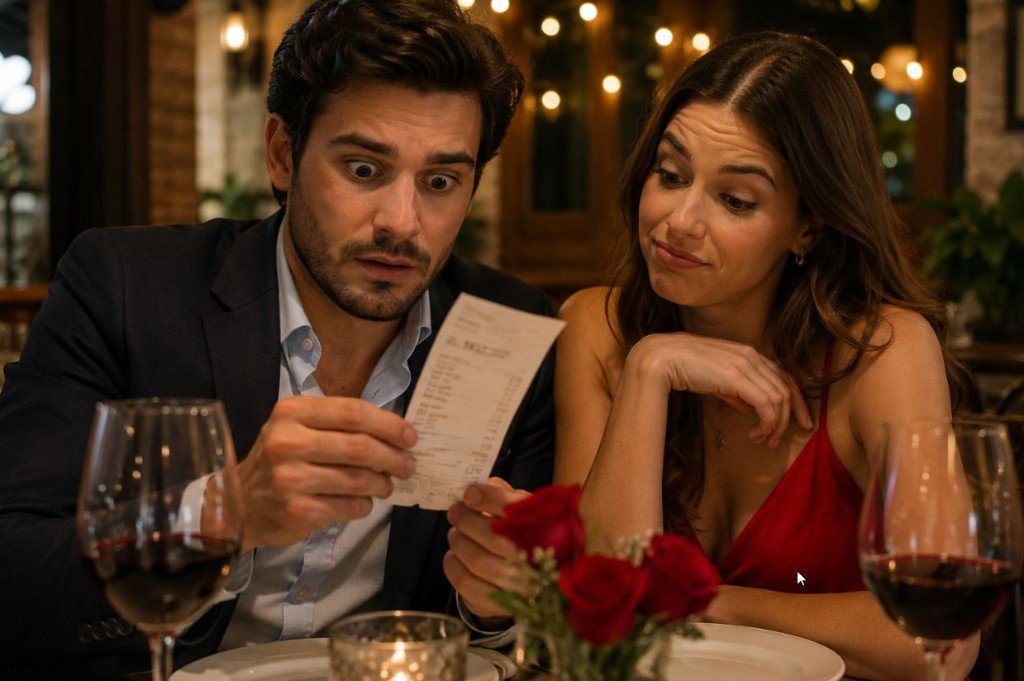
Eclipse chasing is one of those hobbies that sounds romantic until you start adding up the costs. On paper, it is simple: travel to the narrow path where the Moon's shadow will cross the Earth, look up, and experience one of nature's most dramatic spectacles. In practice, it often involves flights booked years in advance, hotels that charge triple their usual rates, rental cars that vanish from every agency within 500 miles of the path, and a camp chair that somehow becomes the most important piece of equipment you own.
The appeal is undeniable. A total solar eclipse is not just a darkening of the sky; it is a full sensory experience. The light turns metallic, the air cools, birds fall silent, and a 360-degree sunset blooms along the horizon. Then, for a few precious minutes, day becomes night in the middle of the afternoon, and the Sun is replaced by a black disk ringed with a pearly corona. People who have seen it once often describe it as life-changing. People who have seen it multiple times often describe it as addictive. And that is where the expenses begin to accumulate.
The path is narrow — and so is your budget
The first rule of eclipse chasing is that the path of totality is narrow, usually only about 100 to 150 kilometres wide. If you want the full experience, you must be inside it. That means everyone with an internet connection and a calendar is aiming for the same strip of land. Airfares surge. Hotels fill up months or even years ahead. Entire towns along the path transform into temporary festival grounds, with prices to match.
The 2024 total eclipse in North America was a textbook example: cities like Dallas, Indianapolis, and Montreal saw hotel rates climb into the hundreds or even thousands of dollars per night, and many properties required multi-night minimum stays.
Urban path towns
Rural alternatives
Organised tours
Less crowded regions
Transport and the weather wildcard
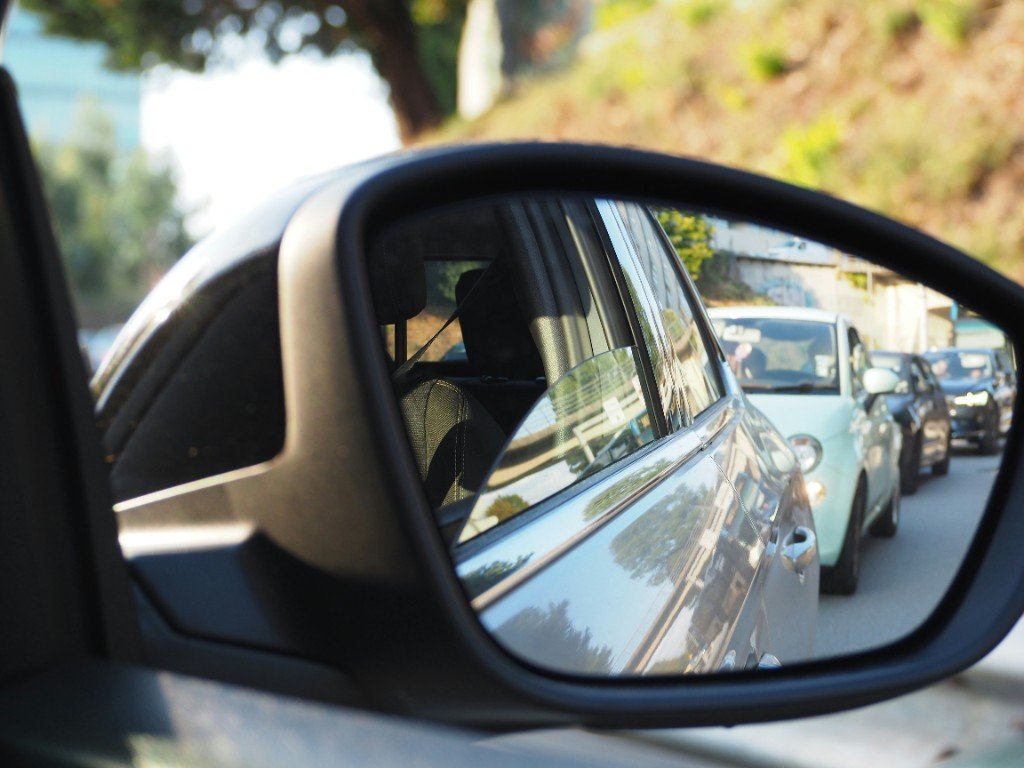
Transportation is another major cost driver. If you are chasing an eclipse in a country where you do not live, you will need flights, visas, and local transport. If you are chasing one domestically, you may still face long drives, traffic jams, and the very real risk of being stuck in a queue of cars when the eclipse begins. The most dedicated chasers treat each eclipse like a military operation, with contingency routes, backup sites, and real-time weather monitoring. Less experienced observers sometimes discover, too late, that their chosen viewing spot is under a solid bank of cloud, while clear skies are just one county over — and unreachable in time.
Weather is the great wildcard of eclipse chasing. You can spend months planning and thousands of dollars travelling, only to be defeated by a stubborn cloud deck. That is why many seasoned chasers build flexibility into their plans. They arrive early, monitor forecasts, and are willing to move at the last minute. This strategy can improve your odds, but it also increases costs: extra nights of accommodation, last-minute changes to transport, and the inevitable takeaway meals eaten in the car while scanning weather apps. For the full story of forecast anxiety, traffic jams, and clouds that refuse to move, read Battling Clouds .
The gear rabbit hole
Then there is the equipment. At minimum, you need safe solar viewing glasses for the partial phases — see Safe Viewing for ISO 12312-2 requirements. Serious observers add cameras, telephoto lenses, sturdy tripods, and solar filters. Some bring telescopes with motorized mounts to track the Sun. Others invest in all-sky cameras, time-lapse rigs, or even spectrographs.
It is entirely possible to enjoy an eclipse with nothing more than a pair of certified eclipse glasses and a clear sky, but the temptation to capture the moment is strong. Photography gear, in particular, can turn a modest trip into a significant investment — our Eclipse Photography guide covers kit choices without letting the camera steal the experience. For expedition travel, security, and professional gear logistics, see Photo Expedition Kit .
Why people keep coming back
Despite the costs and complications, eclipse chasing has a devoted global community. For many, the expense is justified by the rarity and intensity of the experience. Total solar eclipses at any given location are infrequent, often separated by decades or centuries. That scarcity makes each one feel urgent.
There is also the social dimension: eclipse gatherings bring together amateur astronomers, photographers, scientists, and curious travellers. Shared clouds, shared clear skies, and the collective gasp when totality begins create a sense of camaraderie that is hard to replicate at other events.
Chasing without going broke
For those who want to chase eclipses without bankrupting themselves, a few strategies help:
- Plan early and book refundable options where possible.
- Consider eclipses in less densely populated regions, where demand and prices are lower.
- Be flexible about location: sometimes a slightly shorter duration of totality is worth a much cheaper and less crowded site.
- Remember that a partial eclipse, while not the same as totality, is still a memorable event — and far easier to observe from home.
- Use the tracker to compare candidate sites, airports, and weather hints before locking in expensive travel.
- Travelling in Europe between 2026 and 2030? Our European Travel guide covers consecutive eclipse opportunities on one continent.
European visitors planning multiple trips may find our European Travel 2026–2030 guide especially useful when weighing cost against convenience.
Priceless minutes
Eclipse chasing is not cheap, but for many, it is priceless. It is a hobby that combines travel, science, photography, and a touch of adventure. It rewards preparation and punishes complacency. And at its best, it delivers a few minutes of darkness in the middle of the day that feels like standing at the edge of the universe.
If that sounds worth the price of a few overpriced hotel nights and a very long drive, then welcome to the club. Just book your next eclipse trip sooner rather than later; everyone else already has.