Malta: A Mediterranean Gem With A Celestial Date
Planning guide for the 30 March 2030 total solar eclipse in Malta: early-morning totality, St Paul's Bay path edge, Gozo at ~83% partial in Victoria, booking,…
A Mediterranean gem
Malta is a destination that punches well above its weight. This tiny archipelago in the heart of the Mediterranean — just 316 square kilometres in area — offers a remarkable concentration of history, culture, and natural beauty. With over 300 days of sunshine per year, crystal-clear waters, and a landscape dotted with prehistoric temples, fortified cities, and charming fishing villages, Malta has long been a favourite among European travellers. But for eclipse chasers, Malta has an additional claim to fame: on 30 March 2030, a total solar eclipse will pass directly over the main island, offering a rare opportunity to witness one of nature's most spectacular events in a setting of unparalleled beauty.
The allure of Malta
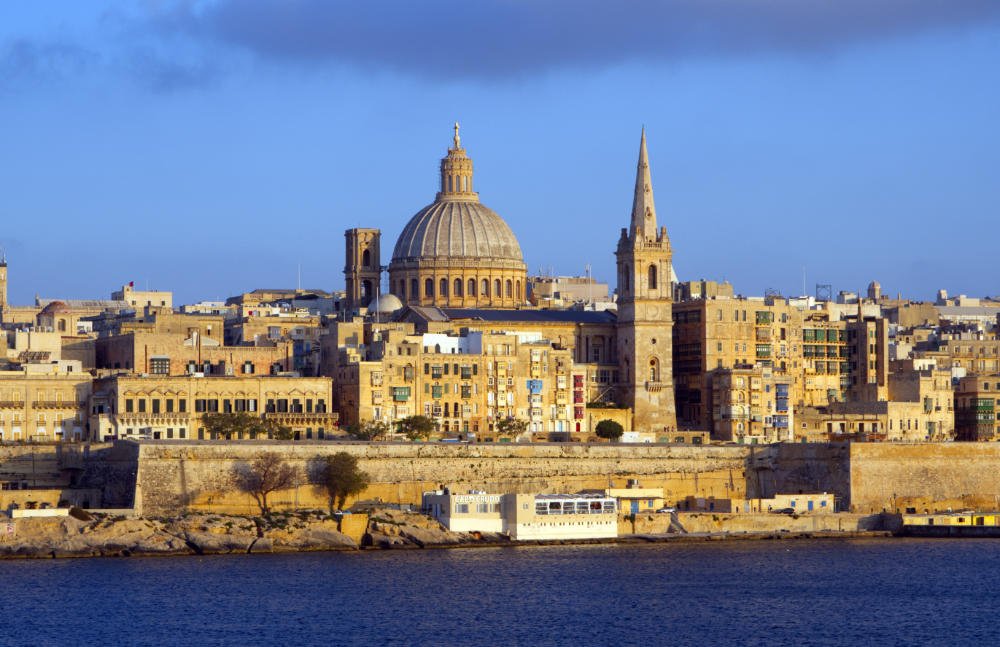
Malta's appeal lies in its diversity. The capital, Valletta, is a UNESCO World Heritage Site, a baroque masterpiece built by the Knights of St John in the 16th century. Its narrow streets, golden limestone buildings, and grand palaces evoke a sense of history at every turn. The Three Cities across the Grand Harbour offer a quieter, more authentic glimpse of Maltese life, while Mdina, the “Silent City,” transports visitors to the medieval era with its fortified walls and car-free streets.
Beyond the cities, Malta's coastline is a playground for swimmers, snorkellers, and divers. The Blue Lagoon on Comino is famous for its turquoise waters, while the rocky inlets of St Peter's Pool and the Blue Grotto provide stunning natural swimming spots. Gozo, the second-largest island, offers a more rural pace, with rolling hills, traditional farms, and dramatic cliffs. The food is a highlight of any visit: fresh seafood, rabbit stew (a local specialty), and pastizzi (flaky pastries filled with ricotta or peas) are staples of the Maltese diet.
Getting around is straightforward. The islands are small, and buses connect most towns and attractions. Car rentals offer more flexibility, though driving in Valletta can be challenging due to narrow streets and limited parking. English is widely spoken, alongside Maltese, making communication easy for visitors.
The 2030 eclipse: a celestial bonus
The total solar eclipse of 30 March 2030 will be a landmark event for Malta. The path of totality crosses the Mediterranean, passing over southern Spain, North Africa, and the central Mediterranean islands. Malta sits within the umbra, but this is not a long, high-Sun eclipse: totality occurs very early in the morning, with the Sun at around 12 degrees elevation at maximum eclipse. Maximum duration on the main island is just over one minute — brief, but enough to reveal the solar corona if your site is clear and inside the path.
The geometry is unforgiving. The northern edge of the umbra passes along the north-western edge of St Paul's Bay on the main island, clipping the path tightly against the north of Malta. That line excludes the small and beautiful island of Gozo from any hope of witnessing totality. In Victoria, Gozo's capital, observers will see roughly 83% obscuration of the Sun by the Moon — a deep partial eclipse. So close, but not close enough.
Malta (main island)
Where to base yourself
Location is critical for the 2030 eclipse. The path of totality crosses the main island from southwest to northeast, but the northern limit runs along the north-western edge of St Paul's Bay — sites farther north or on Gozo miss totality entirely. The southern and central regions, including Valletta, Sliema, and the Three Cities, sit more comfortably inside the umbra. Even there, duration is only just over a minute, so choose a spot with a clear eastern horizon for the low, early-morning Sun — use this tracker's line-of-sight tools to check.
Accommodation on Malta is limited, particularly in the most desirable areas. Valletta, Sliema, and St Julian's are popular bases, with a range of hotels, apartments, and guesthouses. However, these areas fill quickly during peak season, and the eclipse will attract a surge of visitors. Prices are likely to rise sharply, and availability will diminish as the date approaches — see It Isn't Cheap for what eclipse-week pricing really looks like.
The need to book early
Eclipse tourism operates on a different timeline from standard travel. Serious eclipse chasers begin planning years in advance, and the 2030 event is already on the radar of astronomical societies and tour operators. Hotels in prime locations are expected to book out 12 to 18 months ahead. Nile cruises in Egypt for the 2027 Luxor eclipse are already filling; Malta will follow a similar pattern.
Travellers should consider the following:
- Book accommodation now: If you have flexibility, secure refundable reservations as early as possible. Consider staying in less central areas, such as Marsaxlokk or Rabat, which may have better availability.
- Check the eclipse path: Ensure your lodging is within the path of totality. Use this tracker and official maps from NASA and other astronomical sources.
- Consider package tours: Specialist eclipse tour operators are already offering packages for Malta 2030, including accommodation, viewing sites, and expert guides. These can be expensive but offer peace of mind.
- Plan transport: Rental cars and taxis will be in high demand on eclipse day. Book early and have a backup plan — core advice from Eclipse Chasing .
Weather and viewing conditions
Malta in late March is mild, with average temperatures of 15–20°C (59–68°F). Cloud cover is a risk, though statistical data suggest a moderate probability of clear skies. Totality falls very early in the morning, when coastal haze or low cloud can be more common — and at around 12 degrees elevation, the Sun is low enough that horizon obstructions matter. The island's small size means that relocating to avoid clouds is feasible, provided you have transport — a lighter version of the strategies in Battling Clouds . Coastal locations offer the best chance of clear horizons, but inland sites may be less crowded.
Safety and practicalities
Malta is a safe destination, with low crime rates and a welcoming attitude toward visitors. Standard precautions apply: secure valuables, use hotel safes with caution, and be aware of your surroundings in crowded areas — see Personal Security . For the eclipse, ensure you have ISO-certified solar viewing glasses for the partial phases — Safe Viewing and Eye Protection cover inspection and use. During totality, it is safe to view the Sun without protection, but glasses must be replaced immediately as soon as sunlight reappears.
Malta is a destination that rewards exploration, whether you are drawn by its history, its beaches, or the chance to witness a total solar eclipse. The 2030 event offers a unique opportunity to combine a Mediterranean holiday with one of the most extraordinary natural phenomena on Earth — the experience described in The Awe and Splendor of Totality . But success depends on preparation. Accommodation is limited, demand will be high, totality lasts just over a minute at around 12° elevation, and the difference between totality and a deep partial eclipse is a matter of geography — as Gozo discovers from Victoria at roughly 83% obscuration.
For those who plan ahead, set an early alarm, and choose their location wisely, Malta in 2030 promises an experience that will be remembered for a lifetime. If you want totality, stay on the main island — not Gozo. So close for Victoria, but not close enough. Do not confuse Malta with Mallorca in Spain's Balearics — different archipelago, different eclipse dates; see Mallorca Eclipses .