Mallorca: Sun, Sea, And A Sky That Goes Dark
Guide to solar eclipses on Mallorca: 2026 total eclipse viewing, 2028 ring of fire, where to base yourself, booking early, weather, and safe viewing on the…
Sun, sea, and shadow
Mallorca, the largest of Spain's Balearic Islands, has long been a favourite among European holidaymakers. With its golden beaches, turquoise coves, dramatic mountains, and vibrant culture, it offers something for every type of traveller. Whether you are seeking a relaxed beach holiday, an active adventure in the Serra de Tramuntana, or a cultural immersion in the historic streets of Palma, Mallorca delivers. But for astronomy enthusiasts, the island has an additional allure: it sits directly in the path of two significant solar eclipses — the total eclipse of 12 August 2026 and the annular eclipse of 5 September 2028. These celestial events promise to transform an already spectacular destination into a once-in-a-lifetime experience.
The appeal of Mallorca
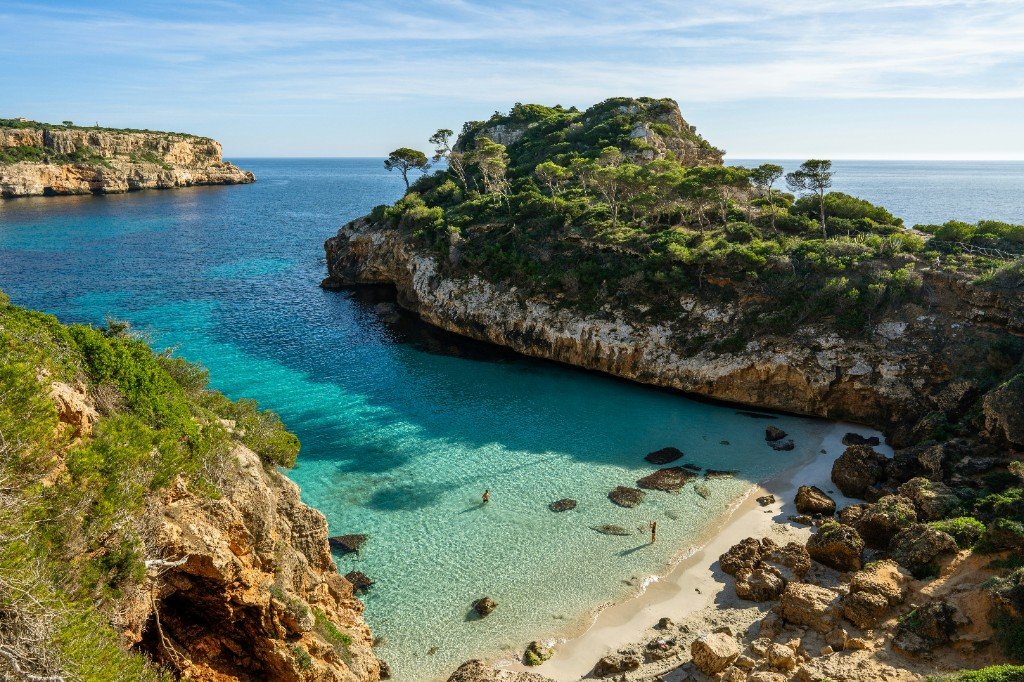
Mallorca's geography is diverse. The north coast is rugged and dramatic, with cliffs plunging into the sea and secluded coves accessible only by boat or foot. The Serra de Tramuntana mountain range, a UNESCO World Heritage Site, offers hiking trails with panoramic views, olive groves, and charming stone villages like Valldemossa and Deià. The east coast is home to famous beaches such as Cala Millor and Cala d'Or, while the south boasts the stunning Cala Figuera and the natural arches of Es Pontàs.
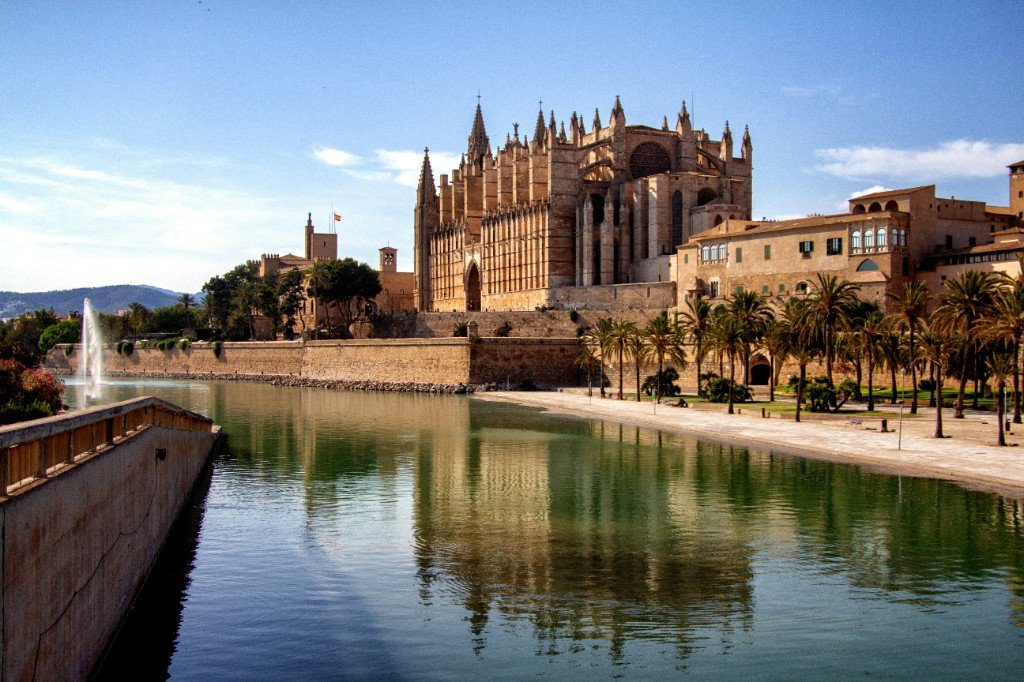
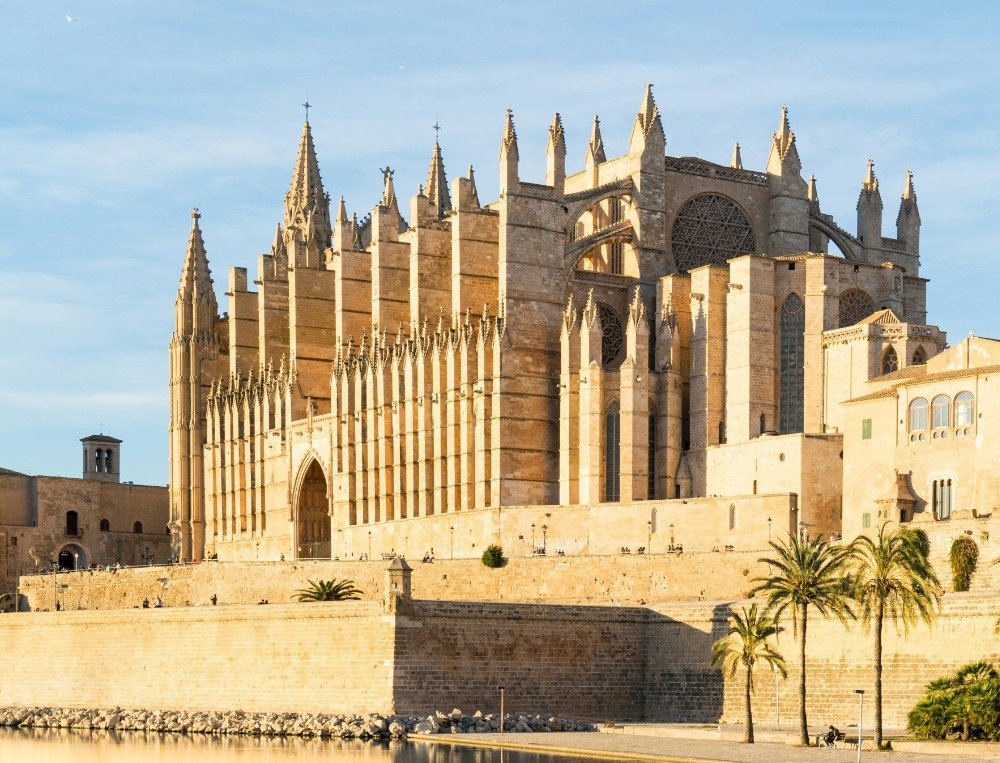
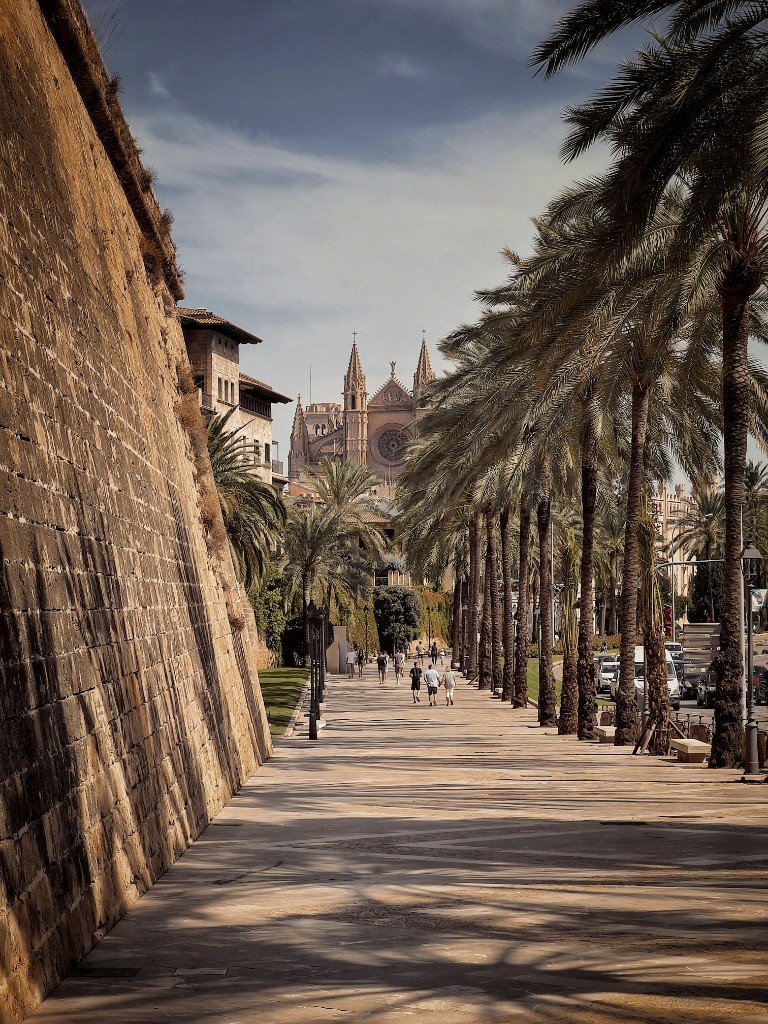
Palma, the capital, is a city of contrasts. The Gothic cathedral, La Seu, dominates the skyline, while the old town's narrow streets are filled with tapas bars, boutiques, and historic courtyards. The food is a highlight: fresh seafood, sobrassada (a local cured sausage), and ensaïmada (a sweet, flaky pastry) are must-tries. The island's wine industry is also gaining recognition, with bodegas offering tastings of local varieties.
Getting around is easy. Palma is well connected by air, with frequent flights from major European cities. Buses link most towns, though renting a car provides more flexibility for exploring remote beaches and mountain villages. The local pace is relaxed, and the welcoming attitude of Mallorcans makes visitors feel at home.
The 2026 total eclipse: a rare opportunity
On 12 August 2026, Mallorca will experience a total solar eclipse. The path of totality crosses northeastern Spain and the Balearic Islands, with the island positioned near the centre of the shadow. Observers in Palma and the southern coast will see up to 1 minute and 36 seconds of totality, with the Sun at around 3 degrees elevation above the western horizon. This extremely low angle creates a unique viewing dynamic: the corona will stretch across a darkening sky, with the horizon glowing in the colours of sunset.
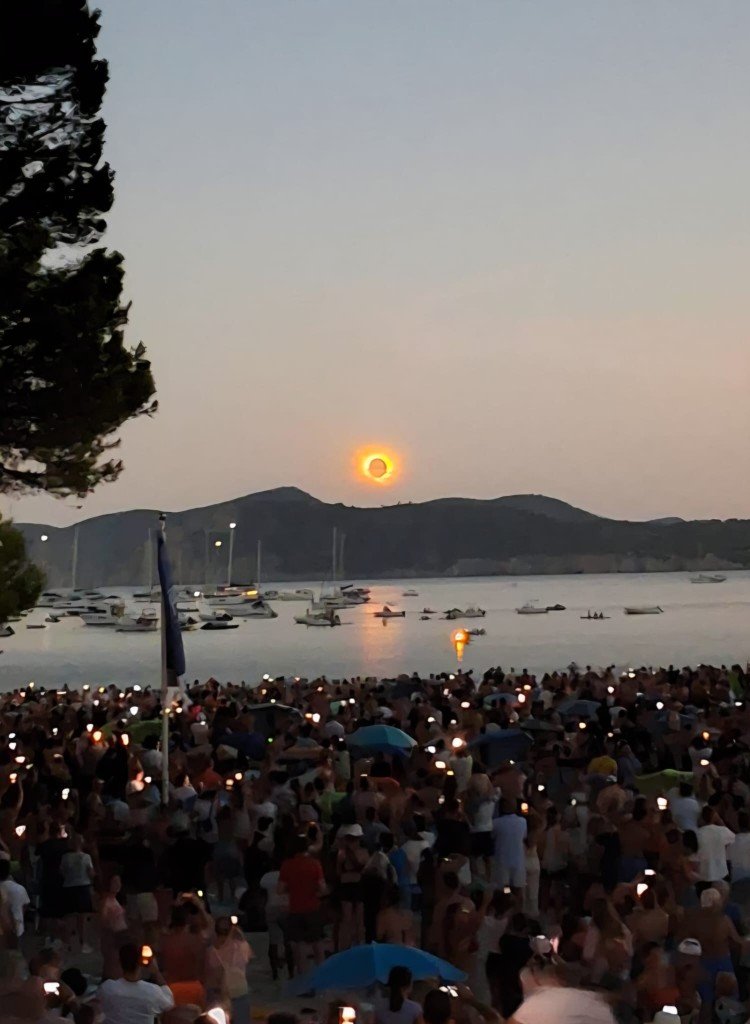
What an experience! The total solar eclipse in Mallorca of August 2026 has been and gone. Crowds gathered on the beaches and other places to witness the spectacle and were not disappointed. Even at the appointed evening hour of 8:30 pm local time the temperatures were still 33 °C. We felt the temperatures suddenly drop into the mid-20 °C range as totality arrived. The air filled with cheers and applause. Hundreds of phone screens became visible as darkness suddenly arrived — for a fleeting 1 m 36 s. That amount of time to witness such an event just illustrates how cruel Nature can be.
I don't know about you, but I'm fully booked and paid for when it comes to the next total eclipse in August 2027. See our 2027 Luxor guide for that event. Use the planner on the main page to investigate your options for locality etc. Just remember this is a major event in Spain and accommodation prices and availability will only rise, and flight seats are selling fast as I type (16 Aug 2026).
However, at around 3 degrees elevation, the Sun is barely clear of the horizon. A clear western horizon is essential. Hills, buildings, or trees can easily block the view, especially in the northern parts of the island or in valleys of the Serra de Tramuntana. Observers must choose their viewing location carefully, prioritising open coastal areas or elevated sites with an unobstructed view toward the southwest — use this tracker's line-of-sight profiler before you travel. Cloud risk is real: see Battling Clouds .
The 2028 annular eclipse: a ring of fire
Two years later, on 5 September 2028, Mallorca will be in the path of an annular solar eclipse. Unlike a total eclipse, an annular eclipse occurs when the Moon is too far from Earth to completely cover the Sun, leaving a bright ring — or “annulus” — visible around the Moon's silhouette. This “ring of fire” effect is spectacular in its own right, though it does not produce the same darkness or corona visibility as totality — see European Travel for how annularity differs from totality.
The 2028 eclipse will occur in the late afternoon, with the Sun at a moderate altitude of about 30 degrees. The annular phase will last approximately 3 minutes and 30 seconds in Palma. While less dramatic than the 2026 total eclipse, the 2028 event offers a second opportunity for those who missed the earlier event or wish to experience both.
Where to base yourself
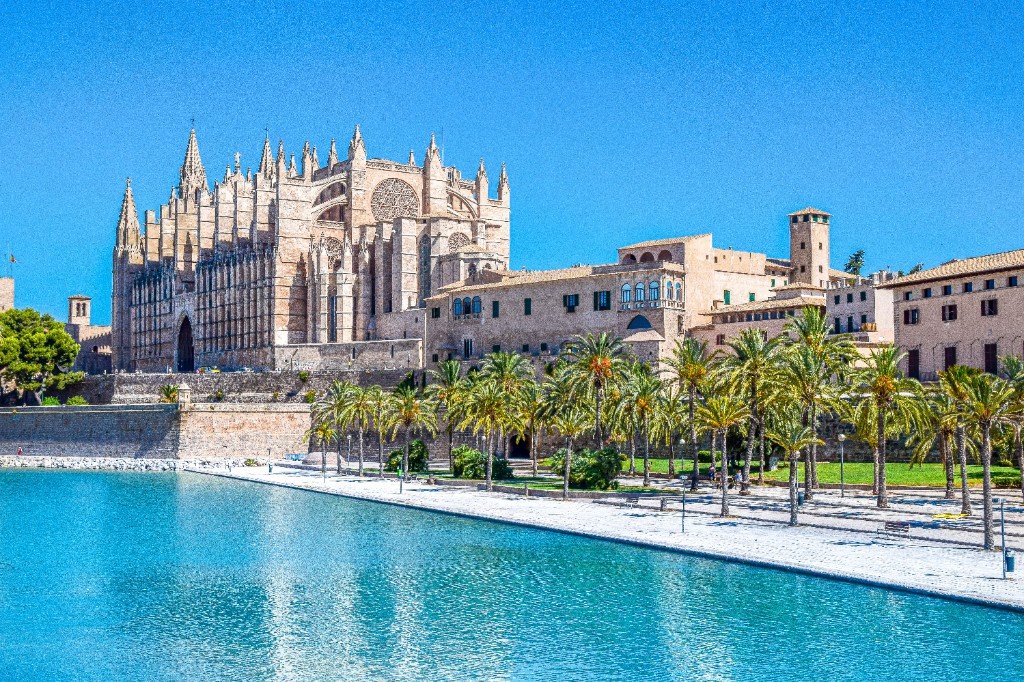
Location is critical for both eclipses. For the 2026 total eclipse, the southern and western coasts of Mallorca offer the best combination of horizon clearance and accessibility. Palma, with its open sea views to the west, is an excellent choice, though it will be crowded. Other options include Cala d'Or, Cala Millor, and the beaches of the southwest, such as Cala d'en Monjo.
For the 2028 annular eclipse, the Sun will be higher in the sky, so horizon obstructions are less of a concern. However, clear skies remain essential. The interior of the island, including towns like Inca or Manacor, may offer darker skies and less light pollution, though coastal locations still provide the best overall experience.
2026 totality
2028 annular
The need to book early
Accommodation on Mallorca is abundant but finite. The island is a popular summer destination, and hotels, apartments, and villas fill quickly during peak season. The addition of two major eclipses will significantly increase demand. Prices for the eclipse periods are already rising — see It Isn't Cheap — and availability in prime locations is expected to diminish rapidly.
Travellers should consider the following:
- Book accommodation now: If you have flexibility, secure refundable reservations as early as possible. Consider staying in less central areas, such as the southeast or inland towns, which may have better availability.
- Check the eclipse path: Ensure your lodging is within the optimal viewing zone. Use this tracker and maps from NASA and other astronomical sources.
- Consider package tours: Specialist eclipse tour operators are offering packages for both 2026 and 2028, including accommodation, viewing sites, and expert guides.
- Plan transport: Rental cars and taxis will be in high demand on eclipse days — plan as in Eclipse Chasing .
Weather and viewing conditions
Mallorca in August and September is typically hot and dry, with a high probability of clear skies. At around 3 degrees elevation in 2026, even a thin band of cloud along the horizon can ruin the view. Observers should monitor forecasts closely and be prepared to relocate at short notice. The island's small size makes this feasible, provided you have transport.
Safety and practicalities
Mallorca is a safe destination, with low crime rates and a welcoming attitude toward visitors. Standard precautions apply — see Personal Security . For the eclipses, ensure you have ISO-certified solar viewing glasses for the partial and annular phases — Safe Viewing and Eye Protection . During totality in 2026, it is safe to view the Sun without protection, but glasses must be replaced immediately as soon as sunlight reappears.
Mallorca is a destination that rewards exploration, whether you are drawn by its beaches, its mountains, or the chance to witness a solar eclipse. The 2026 total and 2028 annular eclipses offer unique opportunities to combine a Mediterranean holiday with extraordinary celestial events — the wonder of totality in 2026, and a ring of fire in 2028. But success depends on preparation. Accommodation is limited, demand will be high, and the difference between a clear view and an obstructed one is a matter of location.
For those who plan ahead and choose their base wisely, Mallorca in 2026 and 2028 promises experiences that will be remembered for a lifetime. Choose a site with a clear western horizon for 2026 — the Sun will be only around 3 degrees elevation — and book early; the sky may be vast, but the best rooms are not.